
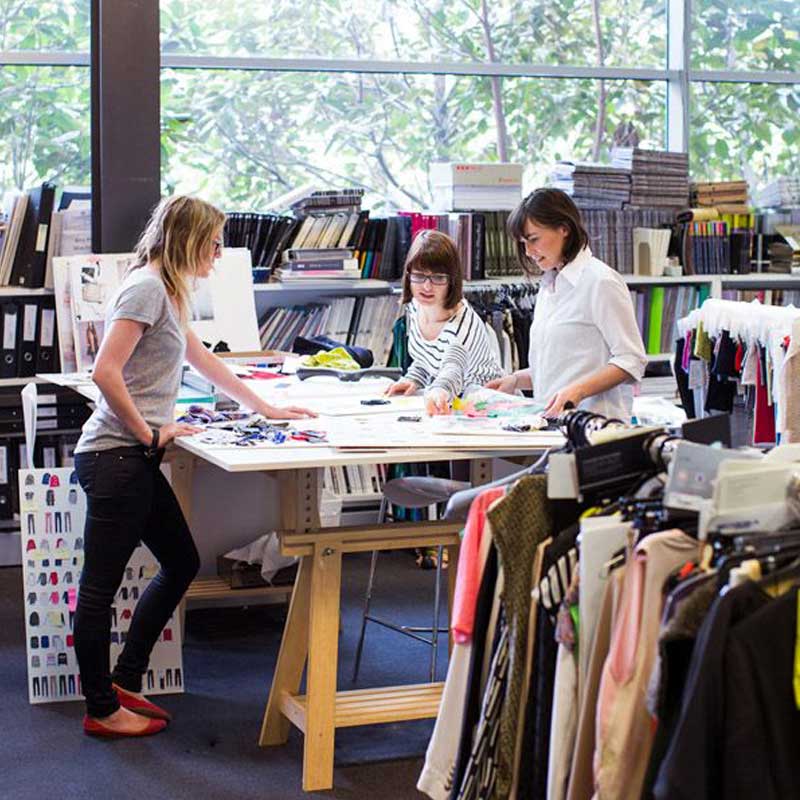
PRODUCT DEVELOPMENT
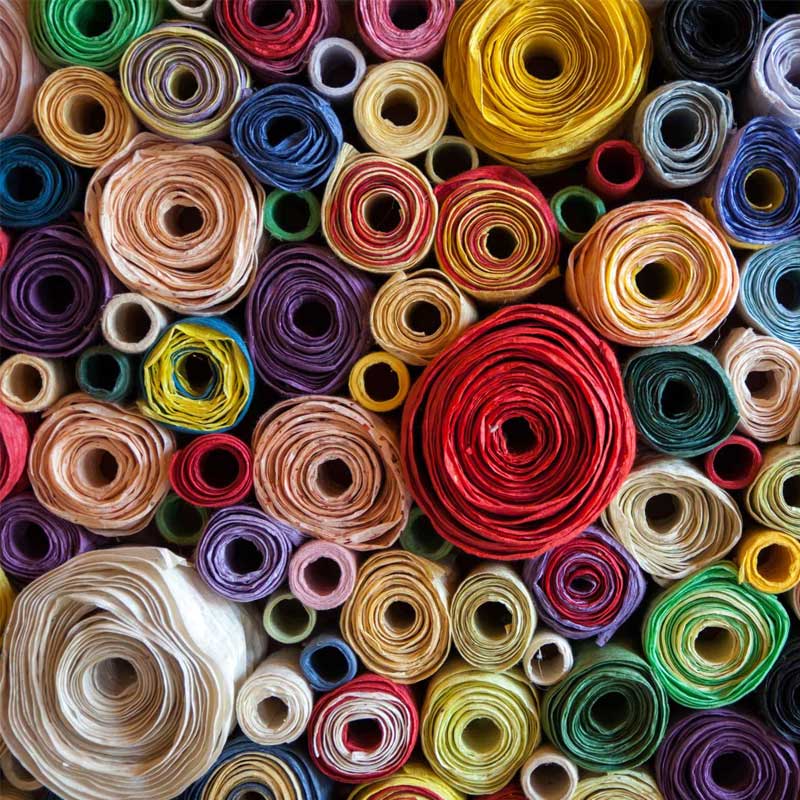
FABRIC & TRIMS SOURCING
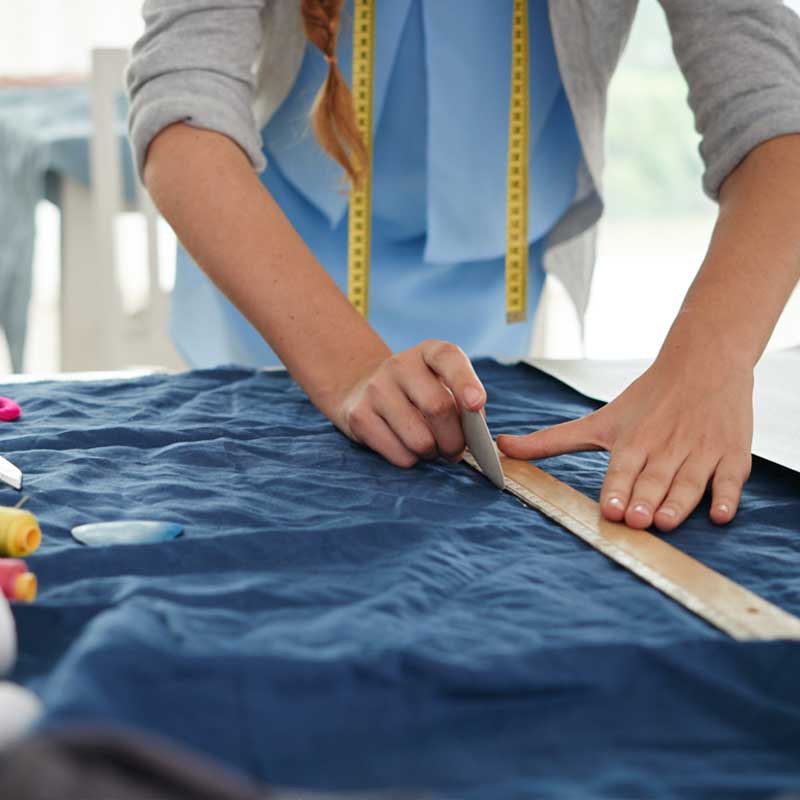
SAMPLE PRODUCTION
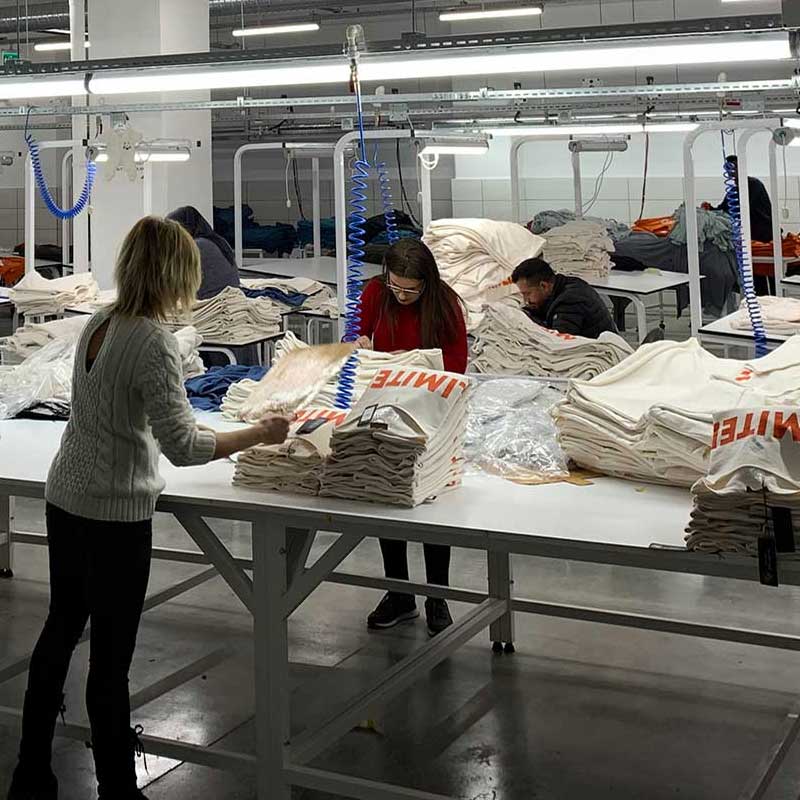
QUALITY CONTROL OF SAMPLES
Apparel Product Development: From Concept to Finished Garment
Most brands come to us before there’s anything solid to work with. No pattern yet. No fabric picked. Sometimes not even a finished sketch, just an idea of what they want. That’s what product development is for, turning that idea into something a factory can actually produce. It’s usually the stage that decides whether a clothing line comes together smoothly or hits problems six months down the road.
What Does a Product Developer Actually Do?
People use the term “product developer” pretty loosely, but here’s roughly what it means in fashion: someone sitting between the design idea and the factory floor, turning a concept into a real pattern, real fabric, and a cost that actually makes sense for the brand’s price point. There’s a lot of back and forth involved too. A design gets adjusted based on what’s realistic to produce at scale, without losing the thing that made it work in the first place.
If you’re a smaller brand without a full internal team, this is usually where outsourcing helps most. You don’t need to hire a dedicated product manager just to get one collection off the ground.
Where Fashion Product Development Actually Starts
Most brands don’t walk in with a finished tech pack. A reference photo, a rough sketch, sometimes a competitor’s piece they liked but want reworked into something original, that’s usually the starting point. From there it’s pattern making, fit adjustments, and the kind of construction details that separate a design that looks good on paper from one that actually fits well off the rack.
Design and development happen side by side here, not as two separate stages. Something that looks great sketched out sometimes needs to change once it hits the pattern, and catching that early saves a lot of wasted sampling down the line. This holds true across every product line we manufacture, whether it’s a single hero piece or a full seasonal collection.
Fabric and Trims Sourcing
None of this gets far without the right materials. Sourcing the wrong fabric weight, the wrong stretch, or something that fades after three washes can undo an otherwise solid design pretty fast.
We handle fabric and trims together as one process, zippers, buttons, labels, fabric, all sourced through the same pipeline instead of separate vendors that don’t talk to each other. Testing for shrinkage and colorfastness happens before a fabric gets locked in, not after the fact when it’s too late to fix cheaply.
The real question at this stage is simple: does the material actually hold up in real wear, not just look good on a swatch card.
Sampling: Where the Design Gets Tested
Sampling exists to catch problems before they get expensive. A sample gets made, checked, adjusted, sometimes remade, before anything moves toward bulk. Most orders go through two or three rounds, first for fit, then construction, then a final pre-production check before cutting starts on the full run.
Rushing this part is one of the more common mistakes we see. A sample approved too fast just means the problems show up later, in bulk, at a much higher cost to fix.
From Development Into Manufacturing
Once the design, fabric, and sample are all approved, it moves into production. This is usually where brands notice the difference between working with a manufacturer who understood the product from day one versus handing a finished tech pack to someone seeing it for the first time. Doesn’t matter if it’s a hoodie, an activewear piece, or a polo shirt, the handoff from development to production works the same way either way.
If your line needs branded labels, tags, or packaging once garments are finished, that’s handled through our labeling and packaging service. Logo work and embroidery go through customization once the base design is locked in.
Why Brands Stick With One Team for Development
Some companies only handle sampling and expect you to show up with a finished pattern already done. Others only source fabric. We built our process to cover the whole thing, concept through to a production-ready sample, so brands aren’t juggling three or four vendors just to get one product finished.
Working with one team also tends to move faster overall, since design, sourcing, and sampling decisions don’t have to bounce between separate companies. Once production’s done, orders go straight into shipping and fulfillment without another handoff.
A Few Questions We Get Often
Do I need a finished design before starting? No, most brands start with a sketch or a rough idea. The pattern and technical work get built from there.
What’s actually included in fabric and trims sourcing? Fabric plus trims, zippers, buttons, labels, sourced together, with shrinkage and colorfastness testing before anything gets committed to a full run.
How many sample rounds should I expect? Depends on the design, but usually two or three, covering fit, construction, and a final check before bulk cutting starts.
Can the same team do both development and manufacturing? Yes, and honestly it works better that way. The people who developed the product already understand the decisions behind it.
Do you work with brands that don’t have an in-house product manager? That’s most of who we work with, actually. This is exactly why the service exists.
Ready to Start Developing Your Product?
From first concept to a production-ready sample, we handle design, fabric and trims sourcing, sampling, and quality control in one place. Get your product development quote today, or take a look at our full range of services if you’re still figuring out what you need.